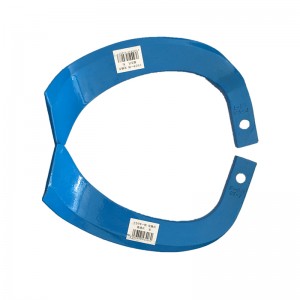

Vertical rotary cutter (vertical cutter)
Efficient Stubble Cutting and Treatment:
Vertically rotating blades easily chop hard stubble, straw, and weeds from crops such as corn, rice, and wheat, distributing them evenly.
This avoids stubble accumulation caused by traditional plowing, creating a level seedbed for subsequent sowing.
Shallow Soil Loosening and Structure Optimization:
The blades cut into the soil with minimal disturbance (adjustable depth typically 5-15 cm), breaking up compacted layers and improving soil aeration and permeability.
Preservation of Soil Structure: Compared to tillage, this method preserves soil stratification to the greatest extent possible, reducing soil erosion.
Precise mixing and fertilizer-soil integration:
Topsoil residues, green manure, organic fertilizer, or pre-sowing fertilizer can be evenly mixed with the topsoil to accelerate the decomposition of organic matter and improve fertilizer efficiency.
Weed control and disease management:
Effectively cut and remove weed roots, disrupting the weed growth cycle.
Reduce the overwintering population of certain soil-borne diseases by cutting and mixing diseased plant debris.
Heavy-duty frame: Constructed from high-strength rectangular steel tubing, robust and durable with strong torsional resistance.
Vertical cutter shaft assembly: Each cutter disc is independently mounted on a heavy-duty bearing housing, equipped with dustproof and mudproof seals, ensuring long maintenance intervals.
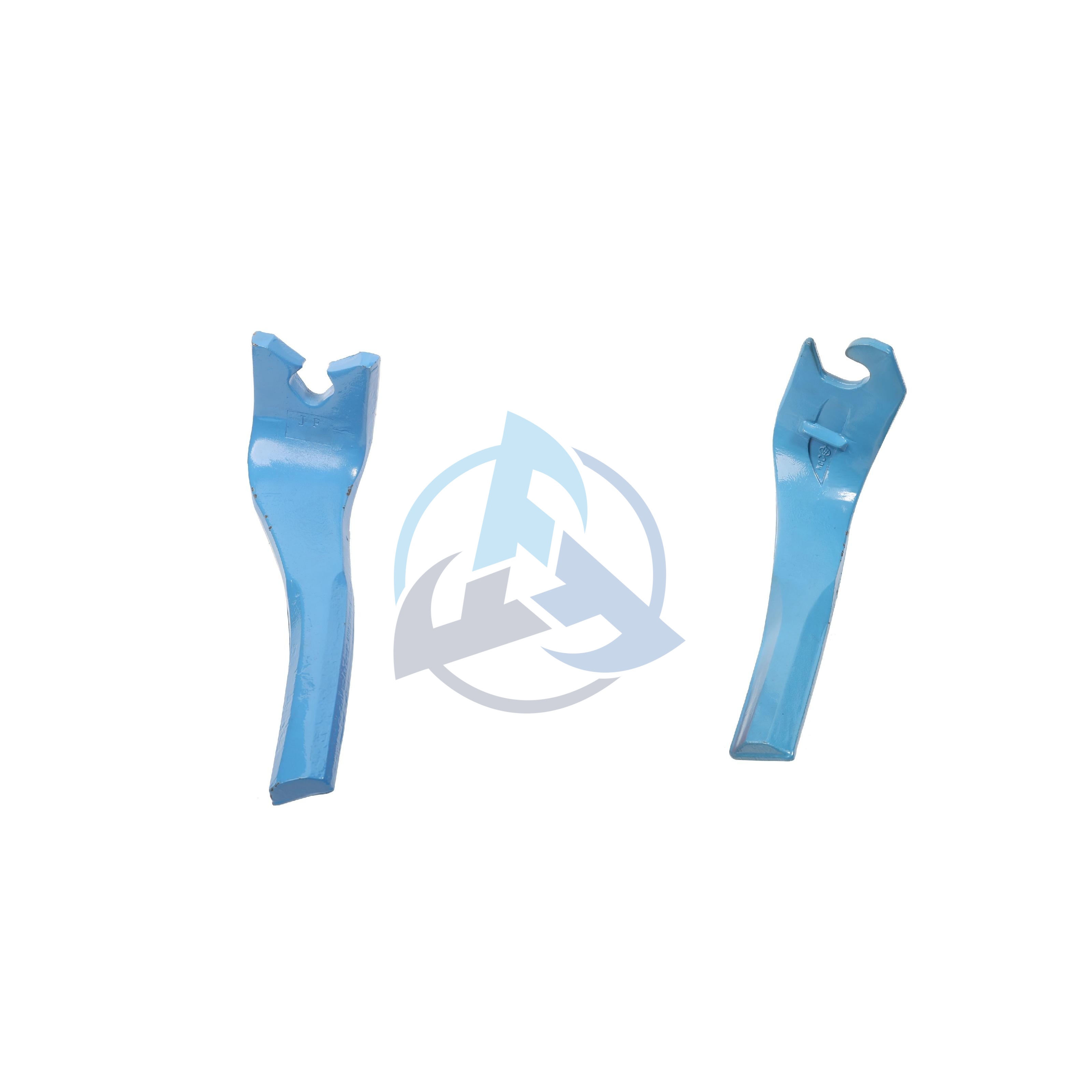
Special alloy blades: The cutting edge is made of wear-resistant alloy material, replaceable, and available in various blade types (straight, L-shaped, wavy) to adapt to different soil and stubble conditions.