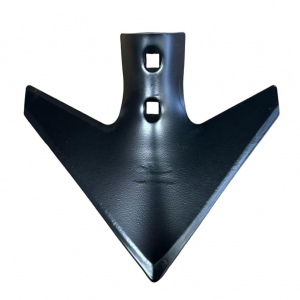


Vertical knife (vertical cutting knife)
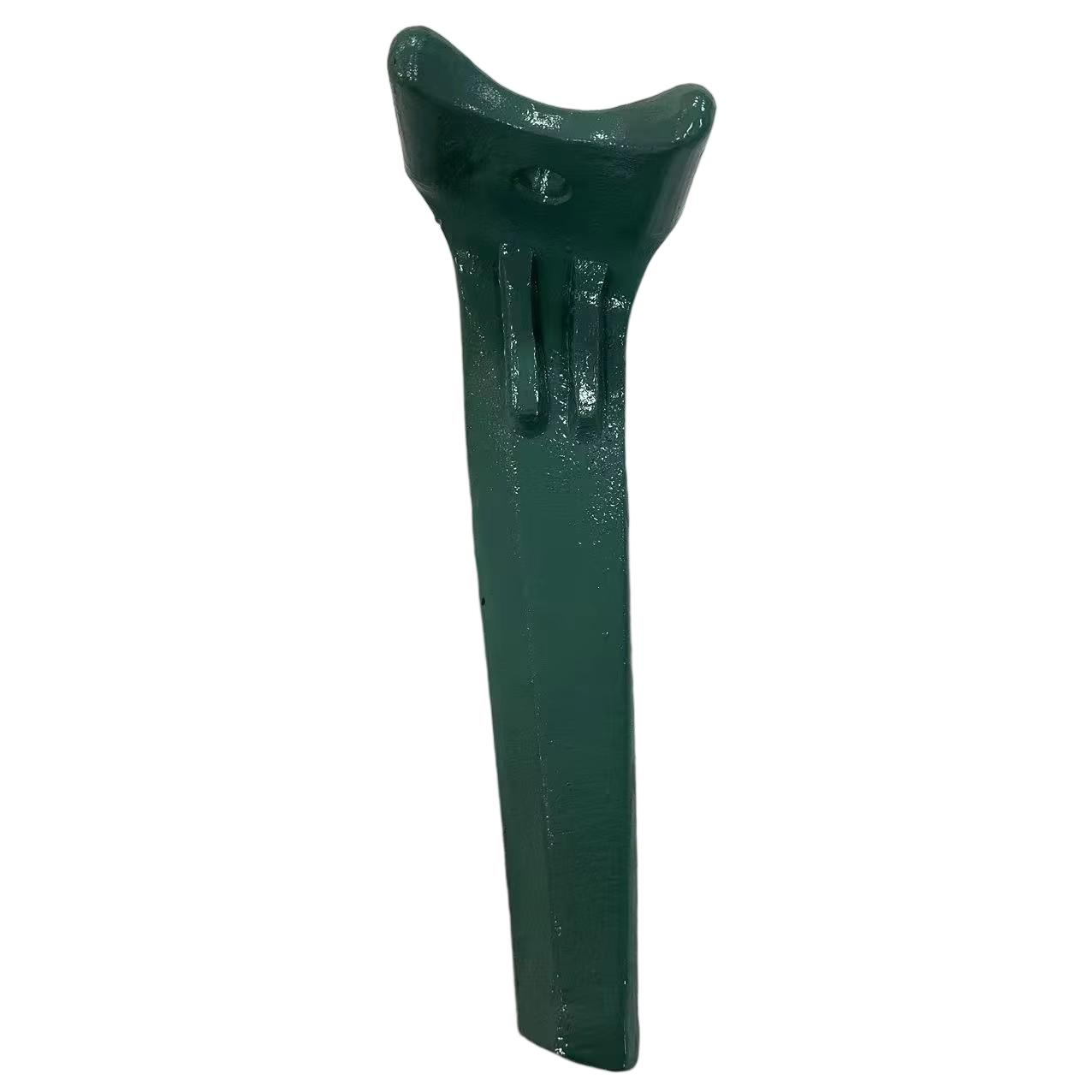
1、Efficient cutting design
Forged from high-strength alloy steel (such as 65Mn, 60Si2Mn) or special wear-resistant steel, the blade undergoes heat treatment (quenching+tempering) to ensure blade hardness (usually HRC 45-55) and overall toughness.
The unique upright structure and optimized blade shape (such as straight blade, curved blade or serrated design) can form a continuous cutting surface during rotation, quickly cutting weeds and straw, and reducing entanglement.
The vertical knife is a high-efficiency, durable auxiliary cutting tool specifically designed for modern agricultural machinery. It is installed vertically and typically mounted on the rotating shafts of machines such as rotary tillers, weeders, straw incorporators, or intercropping equipment. Through high-speed rotation, it achieves precise cutting and pulverization of weeds, straw, residual crops, or shallow root systems. Its design emphasizes strength, wear resistance, and cutting efficiency, effectively enhancing the performance of agricultural machinery. It is suitable for various tillage environments, including dry fields, paddy fields, orchards, and pastures.
2、Enhance durability
The surface is often treated with rust prevention (such as painting, galvanizing) or carburizing strengthening to resist wear and corrosion, extending its service life in humid or harsh soil.
Enhanced handle and fixed hole design, stable installation, able to withstand high-speed impact and hard object collision.
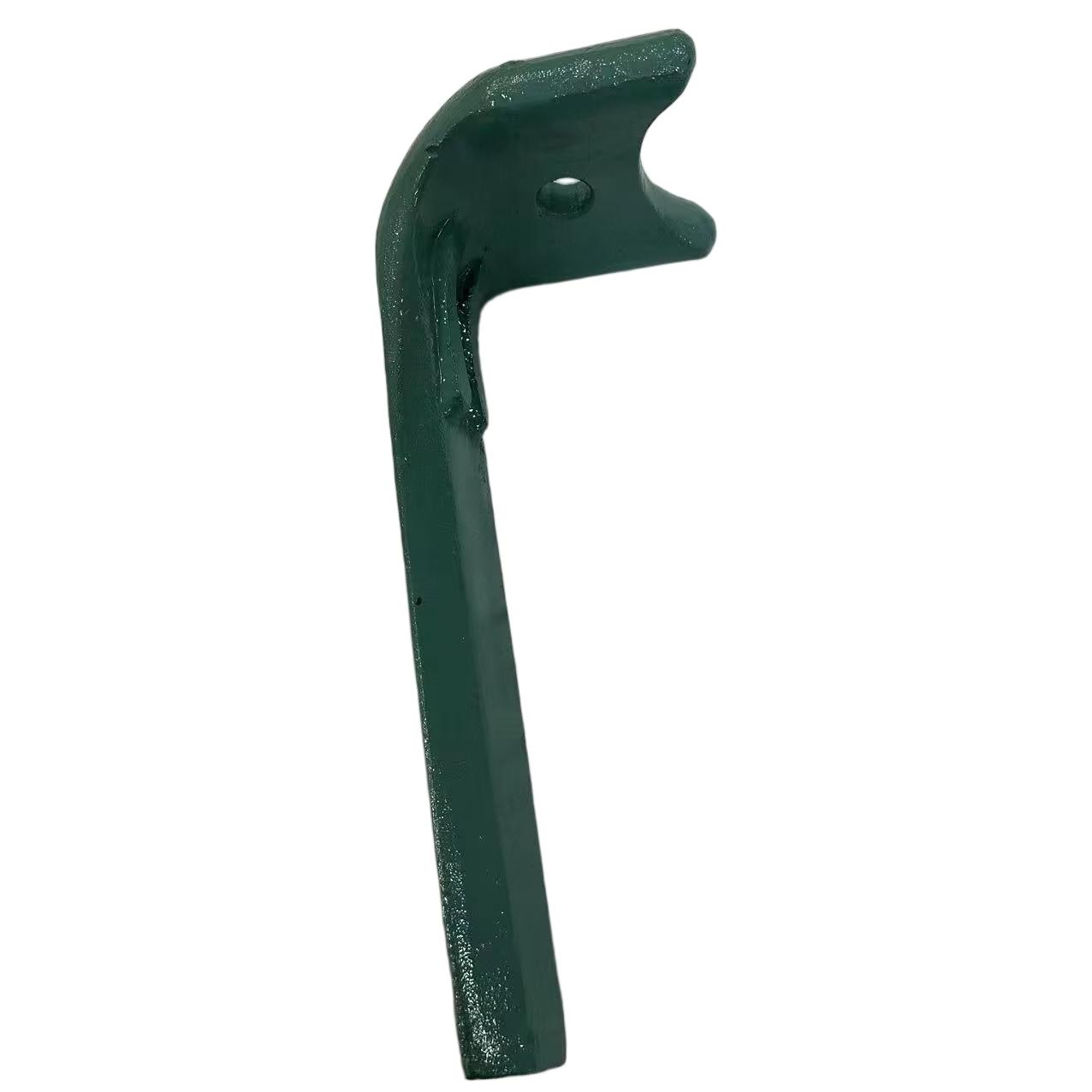
Cut cleanly, break the grass evenly, facilitate soil cover decomposition, and improve the effect of returning farmland.
Vertical burial design reduces resistance, lowers power consumption of agricultural machinery, and improves operational efficiency.
Partial blade shapes can be adjusted in angle or height to adapt to different crop residues and soil conditions.