


Tractor matching universal plow tip rotary tiller accessories
The plow tip is a soil contact component installed at the front end of the plow body of agricultural machinery such as plows and cultivators, also known as the plow tip. It usually takes the shape of a triangle or chisel and first cuts into the soil during operation, undertaking important functions such as entering, cutting, and breaking through the soil. Due to high-intensity friction and impact with the soil, the plow tip is a typical wear-resistant and vulnerable component, and its performance and quality directly affect the energy consumption, tillage effect, and replacement frequency of the entire machine
In terms of materials and processes, modern high quality control plow tips are generally made of special manganese steel (such as 65Mn, U75V) or alloy steel that has undergone special heat treatment to ensure the unity of high hardness and high toughness. Advanced manufacturing processes include integral forging, carburizing, quenching, and tempering treatment. For example, after carbon quenching tempering (CQT) process treatment, the surface layer of the plow tip can form a high hardness needle like martensitic structure, greatly improving its wear resistance; The core maintains strong toughness and can effectively resist the impact of obstacles such as stones during operation, preventing fracture
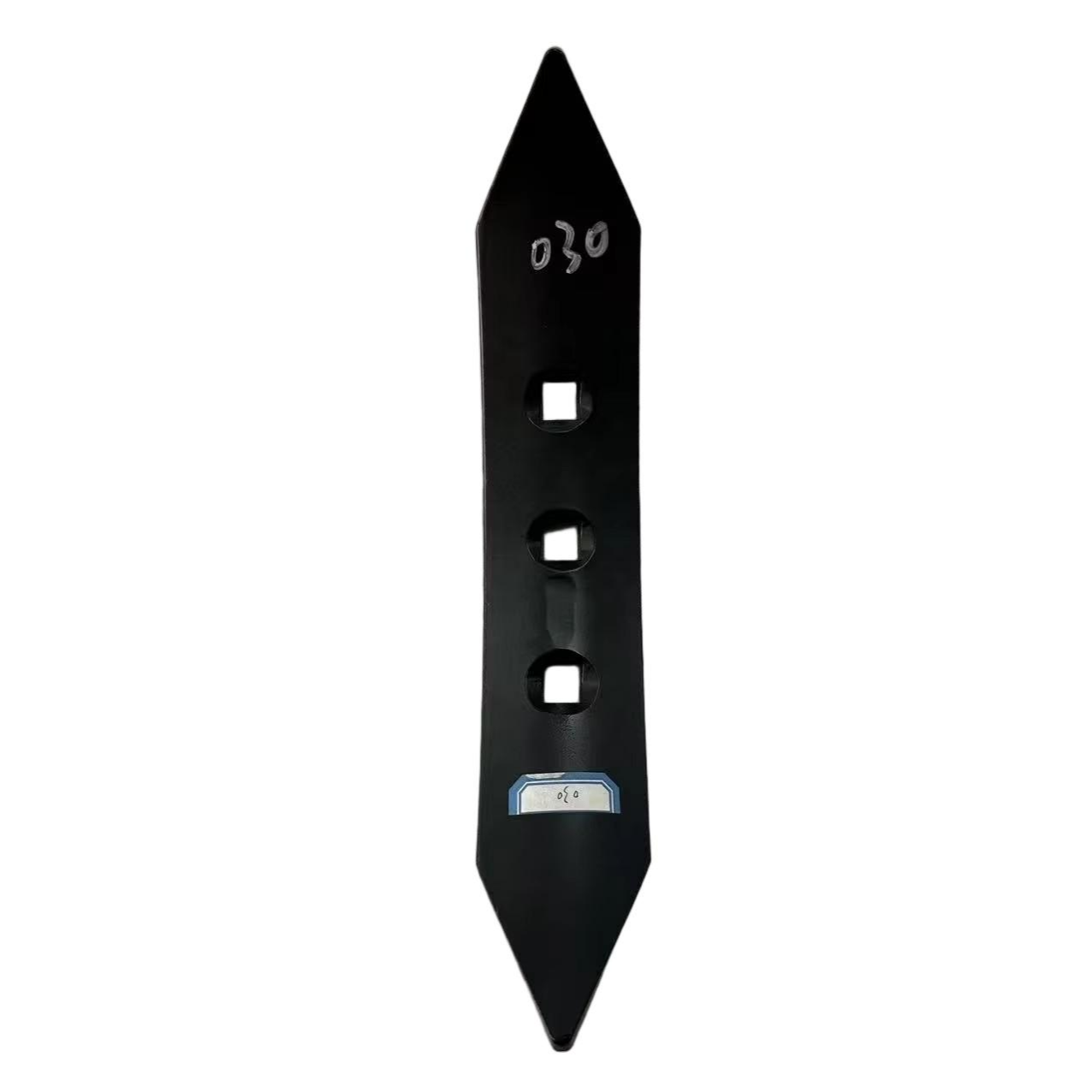
High end products also adopt gradient hardness design: the wear surface hardness is as high as 53-60HRC or above to resist wear, while the hardness around the installation bolt holes is relatively low to maintain good plasticity and prevent bolt holes from being damaged due to stress concentration.
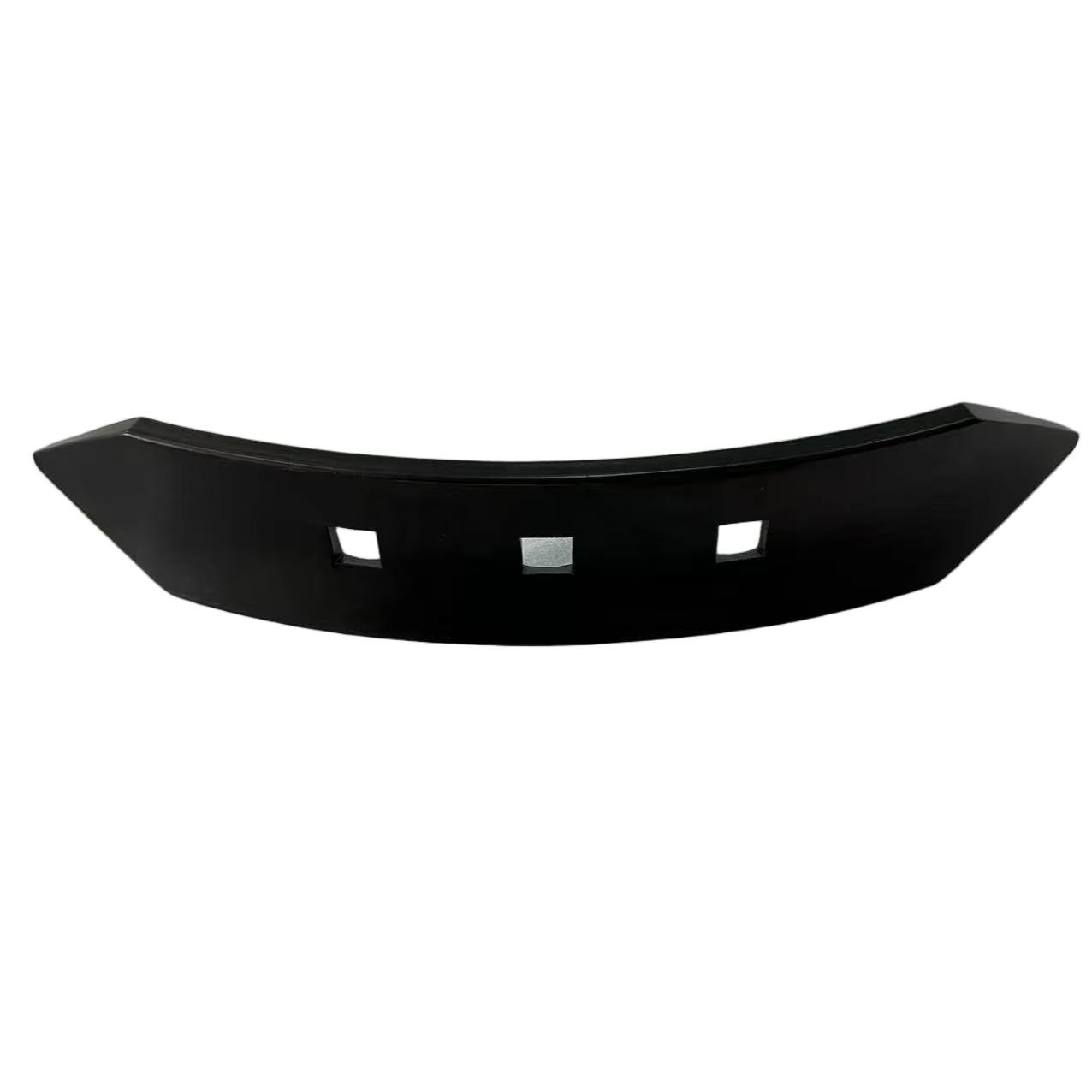
In terms of structural design, in order to adapt to different soil conditions and operational requirements, plow tips have also evolved into various forms. For example, a pointed plow tip designed for sticky and heavy soil can effectively reduce soil adhesion and lower traction resistance; The double headed shovel tip can be turned around and continue to be used after one end wears out, doubling its service life. In addition, some deep loosening plow tips are designed in a sheep's head shape to improve soil turning efficiency and reduce energy consumption by optimizing the geometric structure.
With the advancement of technology, wear resistance has become a core indicator for measuring the quality of plow tips. The wear resistance of leading domestic products has reached more than three times that of ordinary products, and the single service life can exceed 80 hours or even higher, greatly reducing downtime and replacement time in agricultural operations, providing a solid guarantee for efficient cultivation in modern agriculture.


Products Categories
-

Farm Agricultural Machinery Parts Cultivator Sh...
-

Agricultural machinery parts ,00311069 for Hor...
-
Lemken 450 Reversing Plow Full Vehicle Components
-

Agricultural machinery cultivator plow tip 30Mn...
-

Cultivator Spare Parts Of Six Holes of Plow Tip...
-
High Qulality Plow Sweep Agricultural Plow Tip ...